Iran and IAEA to resume ‘limited’ cooperation
Iran and the IAEA agreed deal to resume nuclear cooperation. While the deal does not give the IAEA access to all of Tehran's nuclear facilities, the development is 'welcomed' by the Secretary General as a "positive step, essential for achieving long term framework between the two parties."

United Nations
Sphinx: Ahmed Ali
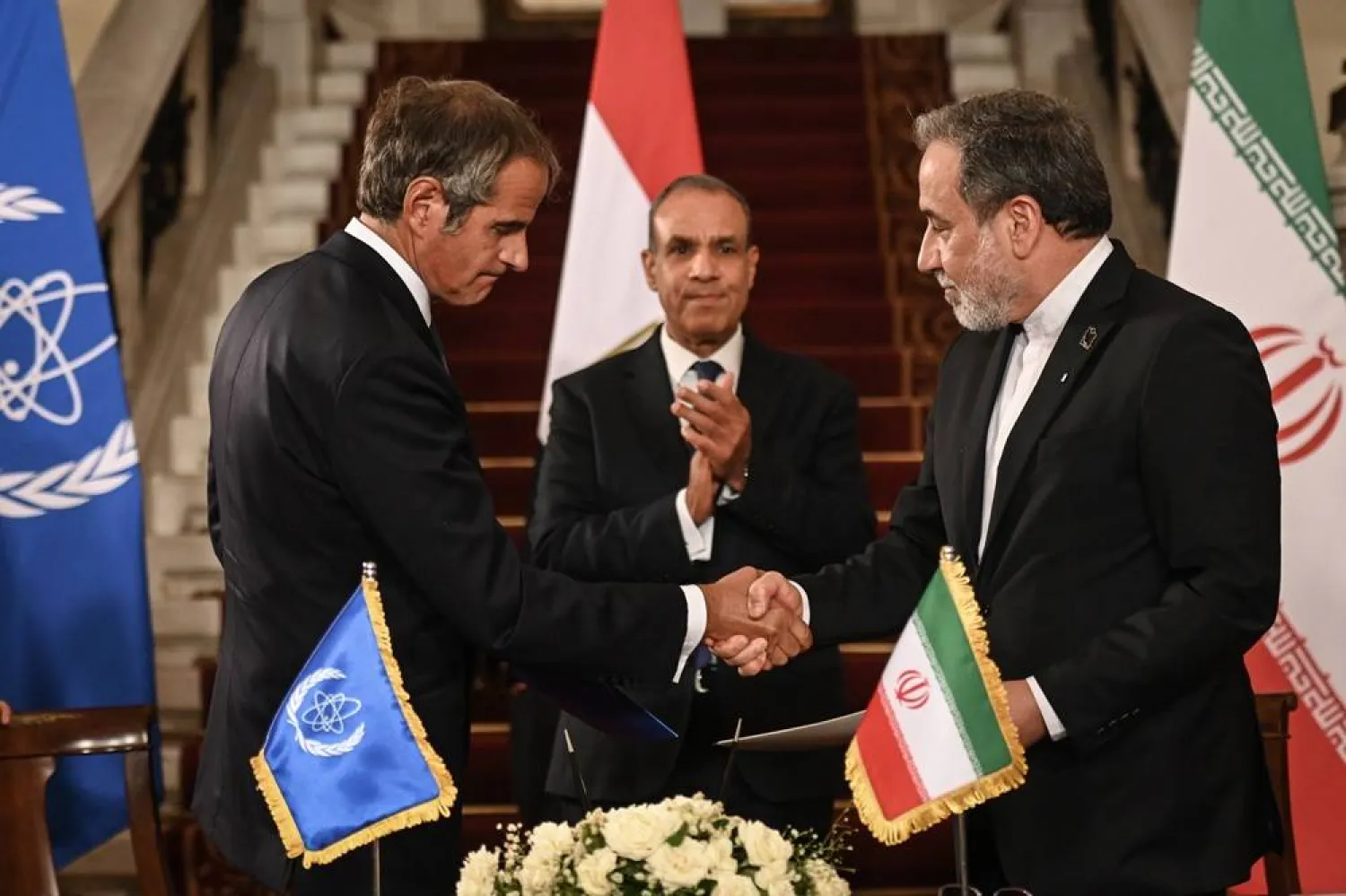
On Wednesday, the Kingdom of Saudi Arabia facilitated a meeting between the International Atomic Energy Agency (IAEA) and the Islamic Republic of Iran, with additional support from Egyptian Foreign Minister Badr Abdelatty. The meeting was described as being of “great importance” in advancing a diplomatic solution to the Iranian nuclear issue.
Iran formally suspended all cooperation with the IAEA in the aftermath of its 12-day war with Israel and later the United States. President Masoud Pezeshkian signed a law in early July suspending all cooperation with the watchdog, prompting inspectors to leave the country. During the conflict, Israeli strikes targeted Iranian nuclear facilities in an effort to cripple Tehran’s potential nuclear capabilities.
The situation grew more complicated with the recent activation of the “snapback mechanism” by the E3 under Security Council Resolution 2231. The 2015 resolution endorsed the Joint Comprehensive Plan of Action (JCPOA), under which UN sanctions on Iran were lifted in exchange for transparency with the IAEA and limits on Iran’s nuclear program. The snapback mechanism allows for the reimposition of sanctions if Iran is deemed non-compliant. The move was strongly condemned by Russia, China, and Iran, which called it a “blatant disregard for diplomacy by the West and an attempt to coerce and exert power over the Islamic state.”
The latest meeting, hosted at Tahrir Palace in Cairo under Saudi and Egyptian mediation, was welcomed by the United Nations and the Secretary-General as “a positive step, essential for achieving a long-term framework between the two parties.”
IAEA Director General Rafael Grossi told the IAEA Board of Governors that the agreement includes “all facilities and installations in Iran” and requires reporting on the attacked facilities, including any nuclear material present. He added that cooperation will now resume “in a respectful and comprehensive way.”
Iranian Foreign Minister Abbas Araghchi clarified, however, that the deal “does not currently provide access to IAEA inspectors beyond the Bushehr nuclear plant.” He emphasized that the agreement only allows limited inspection, with “the nature of access to be discussed at a more appropriate time.”
Full and equal access to Iran’s nuclear facilities, particularly those in Tehran, would still require approval from the Supreme National Security Council.