UN Security Council Confronts Escalating Gaza Crisis Amid Humanitarian Concerns
Council members debate urgent measures to halt violence and ensure humanitarian aid reaches civilians, as Egypt calls for immediate action and stresses the protection of women, children, and the elderly

United Nations
Sphinx News: Ahmed Ali
Tensions in Gaza dominated an emergency meeting of the UN Security Council today, as diplomats debated urgent measures to halt the violence and ensure humanitarian aid reaches those in need.
“Civilians are paying the heaviest price,” warned several Council members, highlighting the urgent need for coordinated action. Calls for ceasefires and humanitarian corridors echoed across the chamber, underscoring deep concern over the escalating conflict.
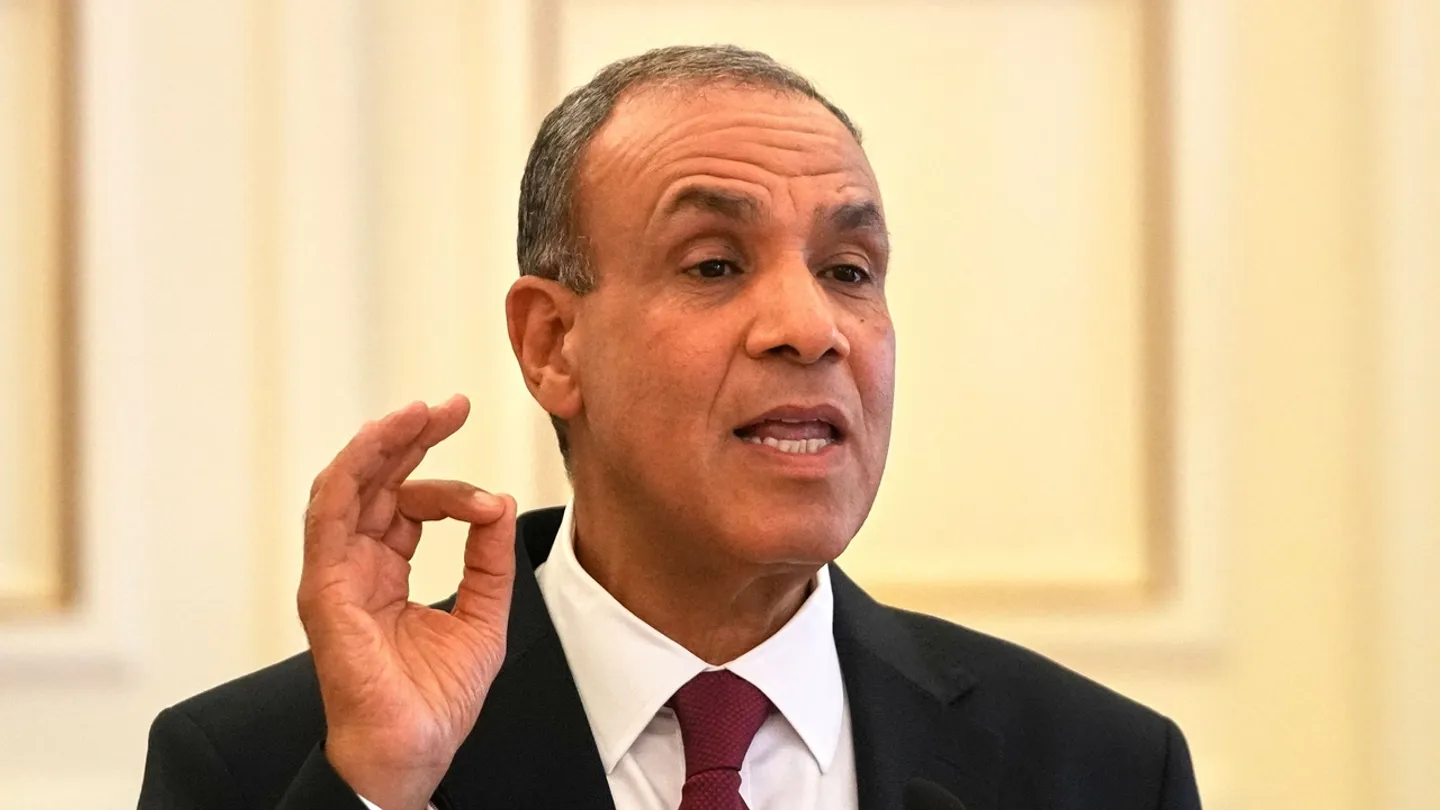
Amid the discussions, Egypt’s Foreign Minister, Badr Abdelatty, stressed the urgency of protecting vulnerable populations. “Egypt is deeply concerned by the ongoing attacks and the heavy toll on innocent civilians,” he said. “We cannot allow humanitarian assistance to be delayed any further. Every hour counts.”
Abdelatty further highlighted the need for international unity. “Repeated inaction undermines the credibility of this Council. All members must rise above political differences to act decisively,” she urged, calling for safe corridors for aid delivery and immediate measures to protect women, children, and the elderly.
Other diplomats and excellencies echoed Egypt’s concerns with Secretary General Guterres calling this, “the deepest and darkest part of the Israeli Palestine chapter.” The Council emphasized that without urgent intervention, the humanitarian crisis could spiral further. “The Security Council must move beyond statements and implement concrete steps to prevent further loss of life,” added his excellency Mr. Ahmed Attaf, the Algerian Minister for foreign affairs.
As the Council debated next steps, Egypt reaffirmed its role in regional diplomacy. “Egypt remains committed to facilitating dialogue and ensuring any solution prioritizes the protection of civilians and lasting stability,” Minister Abdelatty said.
The meeting concluded without a formal resolution, leaving the Council to continue negotiations behind closed doors. Meanwhile, the situation on the ground in Gaza continues to deteriorate, with urgent calls for international action growing louder by the hour.
According to UNRWA, the crisis in Gaza has directly impacted its operations and civilian shelters. Between 11 and 16 September, “12 UNRWA premises in Gaza City, including nine schools and two health centres sheltering over 11,000 individuals,” were struck either directly or indirectly. At least five internally displaced persons were injured, and UNRWA’s Gaza Field Office sustained further damage in an indirect strike.
UNRWA confirmed that its “activities in Gaza City have been significantly reduced due to the deteriorating security environment.” Its only functioning health centre north of Wadi Gaza, at Beach Camp, “was forced to suspend operations on 13 September due to intensified attacks and damage incurred during the strikes.”
The massive destruction of civilian infrastructure, combined with severe disruptions to humanitarian operations and access constraints, “is severely hindering the last remaining lifelines for civilians in Gaza City,” the Agency warned.
UNRWA also highlighted the scale of malnutrition and famine in Gaza. Its Mid-Upper Arm Circumference (MUAC) measurements show that “malnutrition has reached 28.5 per cent in Gaza City as of mid-August, meaning nearly one in three young children is now malnourished,” while overall prevalence across Gaza stands at around 14.5 per cent.
“Despite these challenges, UNRWA continues to deliver medical services through mobile points, provide psychosocial support to displaced families, and distribute emergency water and sanitation services to hundreds of thousands of people,” the Agency emphasized, underscoring the urgency of continued international support.
As the Security Council meets behind closed doors, the humanitarian catastrophe in Gaza underscores the need for immediate, coordinated action. UNRWA’s data paints a stark reality: thousands of civilians remain at risk, health and education systems are on the brink of collapse, and humanitarian lifelines are increasingly constrained under the weight of ongoing conflict.