UN Budget Pressures Mount as U.S. Has Yet to Pay Regular Dues
With U.S. regular budget contributions still outstanding, UN officials caution that prolonged nonpayment risks undermining financial stability and day-to-day operations

United Nations
Sphinx News TV: Ahmed Ali
With the United States not yet paying its regular budget to the UN, concerns grow over the organization’s financial stability and operational capacity heading into the new year.
As the year 2025 comes to an end, Spokesperson for the Secretary-General, Stéphane Dujarric, notes that the United States has not yet paid its regular 2025 budget in full, raising concerns over the international organization’s 2026 regular budget. Typically approved towards the end of December by the General Assembly, following discussions in the Fifth Committee, the UN’s yearly regular budget is integral to its allocation of funds in its administration, staffing, diplomatic missions, humanitarian rights advocacy programs, public information, economic and social development projects, and special political missions.
With the United States typically the largest donor of the organization since its founding in 1945, the Trump administration has made particular note of dramatically reducing funds catered to its operation. In July 2025, the United States Congress rescinded about $9 billion in international aid, with nearly $8 billion targeting UN contributions. Needing to reallocate its funds and struggling to sustain both its daily operations and humanitarian missions abroad, particularly in the latter state of the year, Secretary-General António Guterres warned on December 1st, “the UN is facing its most fragile cash position in years.”
With nearly $1.6 billion in unpaid dues, the UN ended 2024 with $760 million in unpaid assessments, most of it still outstanding, and has yet to receive $877 million in contributions due for 2025. While the U.S. funding cut has deepened the organization’s economic instability, only 149 of the United Nations’ 193 member states have paid their 2025 dues in full.
On the matter, Dujarric contended that the budget constraints, particularly from the United States, have massively hindered the organization’s functions, stating, “it makes the situation for the Secretary-General, for all of those who manage the cash in this organization, extremely, extremely challenging.” He added, “the fact that member states either don’t pay or pay late makes managing an organization where you can’t borrow money—like the private sector or like governments—or you can’t print money, like governments, rather difficult.”
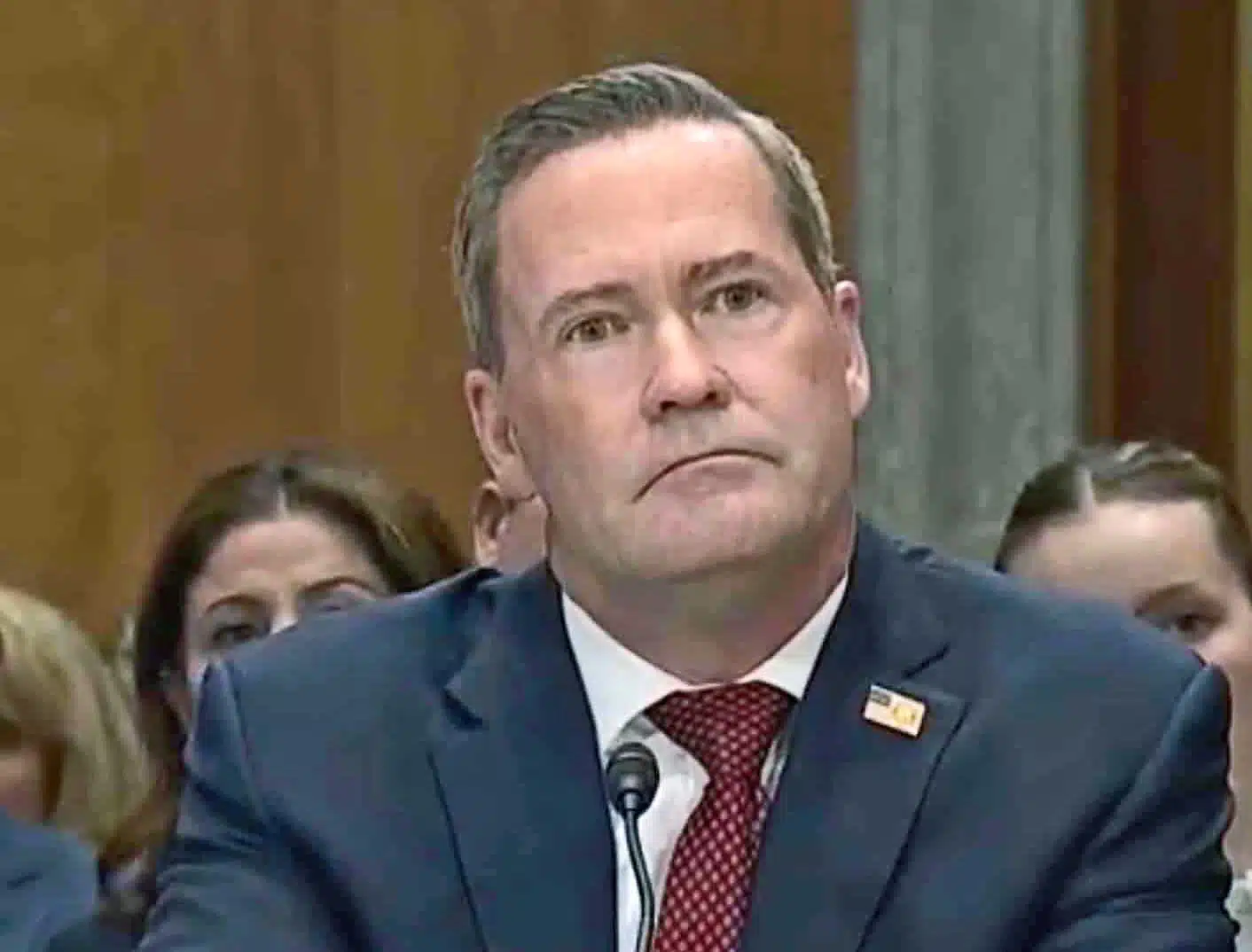
Despite the seeming paralysis in the situation, Dujarric notes that the Secretary-General remains in contact with the United States, where “the financial situation, the budget, the reform, the savings have been high on the agenda of all the contacts the Secretary-General has had with Ambassador Michael Waltz”, Permanent Representative of the United States to the United Nations.