United Nations Development Program urges “Israeli authorities for more access”
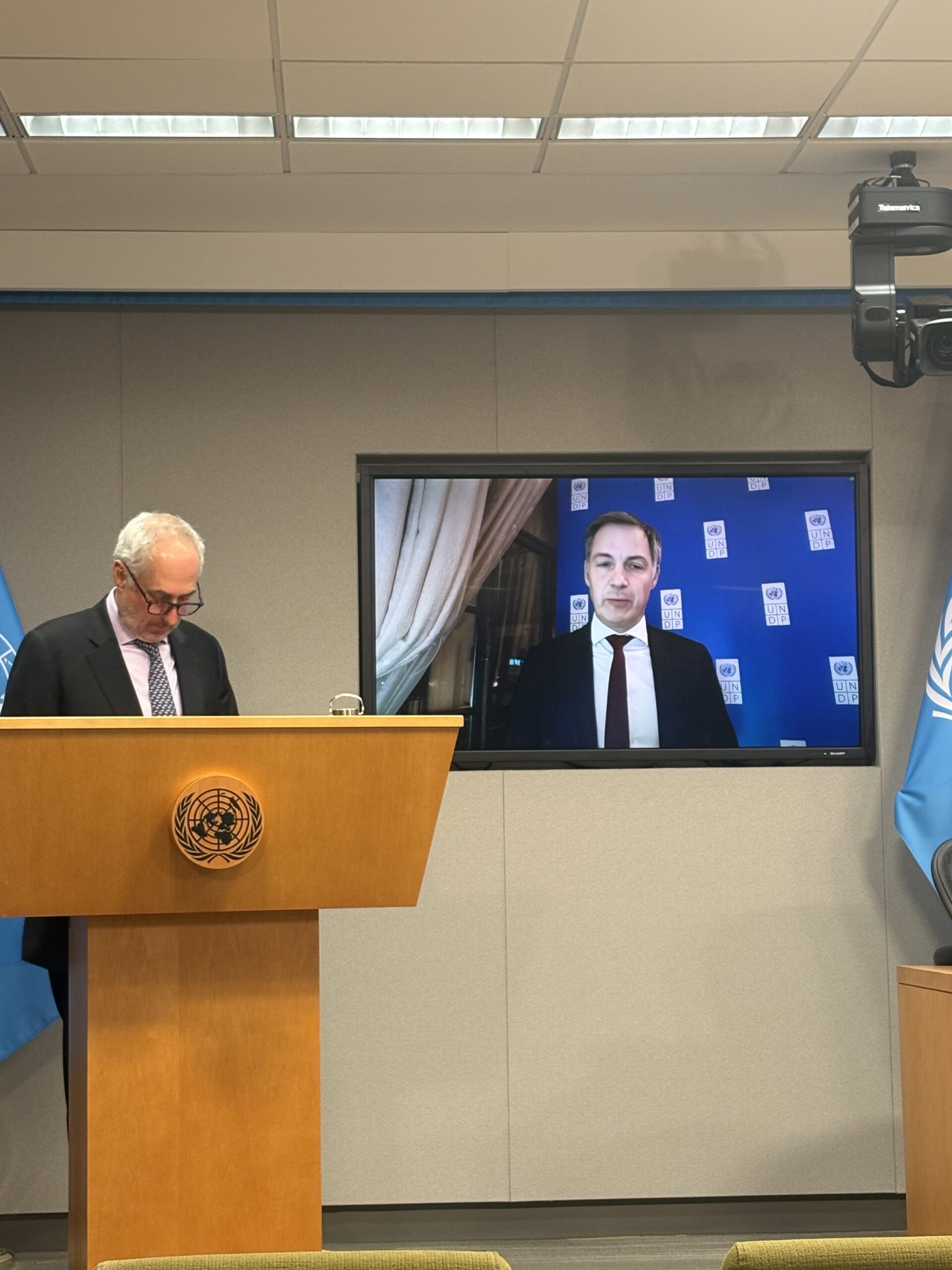
UNDP Administrator Alexander De Croo shares insights from his recent visit to Gaza and the Occupied East Jerusalem.

United Nations
Sphinx News: Ahmed Ali
Completing a recent 3 day visit to Gaza and the Occupied East Jerusalem, Administrator for the United Nations Development Programme (UNDP), Alexander De Croo recalls “the worst living conditions he has ever seen.”
Now working in Gaza for the last two years, the United Nations Development Programme is the predominant UN agency tasked with international development. The UNDP helps countries eradicate poverty and strengthen their respective institutions, ultimately looking to assist in a state’s capacity for sustainable progress.
In his travels, Alexander De Croo described “very difficult circumstances of living,” highlighting three major dimensions in which the agency is carrying out its ongoing “recovery effort.”
The most pivotal of the UNDP’s three mandates has been rubble removal, where the extreme lack of both UN funding and adequate facilitation of machinery and supplies by Israeli authorities has only seen 0.5% of total rubble removed from Gaza. At this rate, Croo suggests it would take “7 years to remove all the debris.” “The capacity,” Croo contends, has been massively undermined by Israeli authorities, adding that such impediments to the access of equipment and necessary machinery have been predicated almost entirely on the issue of “security concerns.” Mobilizing effort around immediate rubble removal is particularly important within the context of the ongoing Palestinian plight, where Croo mentions “90% of the population of Gaza are living in the middle of that rubble, which is also extremely dangerous from a health point of view.”
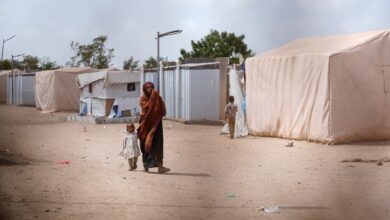
The second dimension in which the UNDP has worked within Gaza is with respect to recovery housing, where 90% of the current population inhabit “so-called tents,” extremely rudimentary and highly insufficient in both their structural composition and long-term sustainability. Implementing “recovery housing units” has not been ideal in the intent of the UNDP to deploy comprehensive reconstruction efforts, but nonetheless is a “massive improvement for the moment.” The agency has only been able to build 500 of these units, with another 4,000 ready. The number, however, is massively short of the minimum required 200,000-300,000 housing units.
The third dimension is focused entirely on a private sector restart, empowering local businesses through investment and work-for-cash programs. Entirely in “hibernation” over the last 2 years, Croo posits that the private sector is massively underfunded, with little economic mobilization, stable governance, and essential infrastructure needed to both attract investment and get Palestinian people working again.
With the complete devastation of the enclave over the last 2 years of brutal military operations by the Israeli forces, restoration of Gaza is at its most critical juncture. The incipient and highly criticized ceasefire proposal has seen conditions somewhat improve (relative to its original dire circumstance), however much more needs to be done. Acknowledging Israel’s purported trepidation manifested in the form of impeding access on account of “security concerns,” Croo calls on Israeli authorities to “allow more access.” The need for greater access is essential in “allowing material for debris removal, building our recovery housing units, and to help restart the private sector.” The aforementioned factors are essential to the current Palestinian inhabitants within Gaza, and their despair, Croo says, can no longer be justified on security measures. On this matter, he notes, “that would not be a reason to not provide organizations such as the UNDP and other UN organizations the access needed to help more people.”