UN Calls for Immediate Halt of Israeli Attacks in Lebanon
Following Israel’s strikes yesterday on the Palestinian refugee camp of Ein El-Hilweh, which killed 13 people, the IDF has launched new strikes, this time in southern Lebanon. In clear violation of UN Resolution 1701, the Secretary-General reiterates his call for a cessation of hostilities and full respect for UNIFIL peacekeeping forces.

United Nations
Sphinx News: Ahmed Ali
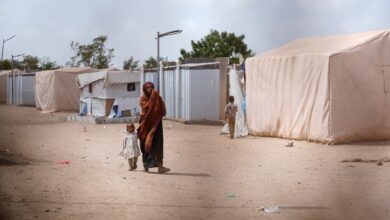
Following an Israeli airstrike on Tuesday night that killed 13 people in the Palestinian refugee camp of Ein el-Hilweh, Israeli forces resumed belligerence just a day later. This time, Israeli authorities attacked southern Lebanon, killing one person and reportedly injuring several others.
In the Ein el-Hilweh refugee camp, Israeli authorities reported that they were targeting a Hamas training compound believed to be preparing an attack against Israel and its army. The attack marked the deadliest wave of Israeli strikes since a ceasefire in the Israel-Hezbollah war a year ago.
On Wednesday, Israeli attacks resumed as authorities targeted the southern Lebanese village of Tiri. According to the Lebanese Health Ministry, the attacks reportedly killed one person and wounded 11 others, including students aboard a nearby bus. Later in the afternoon, the Israeli military warned that it would be striking targets in several villages around southern Lebanon, describing them as Hezbollah infrastructure. The IDF called on civilians to move away from the locations of Shehour and Deir Kifa, where it struck just an hour later. With no immediate casualties, the military later announced that it had killed a Hezbollah operative in the drone strike.
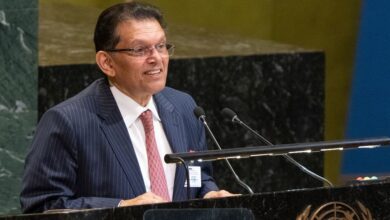
The resumption of violence has drawn staunch condemnation from the United Nations. Stéphane Dujarric, Spokesperson for the Secretary-General, stated, “Yes, we are obviously very concerned by the reported Israeli airstrikes in Lebanon, including the Ein el-Hilweh refugee camp.” He added, “We urge the parties to uphold the cessation of hostilities, refrain from any activity that may endanger civilians, and urge all parties to avoid further escalation.”
Regarding the actively deployed UNIFIL (United Nations Interim Force in Lebanon) peacekeeping forces in the southern Lebanese region, Dujarric contends, “We are doing whatever we can to sustain the cessation of hostilities and advance the full implementation of Resolution 1701.” Dujarric also clarified that no UNIFIL peacekeeping forces were targeted in any of the recent strikes. This clarification follows concerns after UNIFIL forces reported recent targeting by Israeli tanks on 16 November.
According to the UN peacekeeping mission, bursts of heavy artillery hit an area just five meters away from the UNIFIL blue helmets, who had to quickly retreat and take shelter in the terrain. Israeli forces, in response to queries from local media, claimed that the attack resulted from UNIFIL troops being “misidentified” due to weather conditions. The UNIFIL statement made clear that this Israeli mishap was “a serious violation of Resolution 1701, the third incident of its kind in the last three months.” The statement added, “On 2 September, IDF drones dropped four grenades close to UNIFIL peacekeepers working to clear roadblocks hindering access to a UN position near the ‘Blue Line,’ the buffer zone between Israel and Lebanon patrolled by UNIFIL, and on 26 October UNIFIL reported that an Israeli drone dropped a grenade near a UN patrol, followed by tank fire directed at peacekeepers.”
Established in 1978, the UNIFIL peacekeeping force has undergone numerous adjustments and mandate extensions in response to ongoing hostilities between Lebanon and Israel. Following the 2006 war, UN Security Council Resolution 1701 significantly expanded UNIFIL’s mandate, tasking it with monitoring the cessation of hostilities, supporting the Lebanese Armed Forces in southern Lebanon, and ensuring that the area between the Blue Line and the Litani River remained free of unauthorized armed personnel.