UN Alarmed by Israeli Cabinet Calls to Occupy Southern Lebanon
As the members of the Israeli cabinet conspire on intent to occupy all of Southern Lebanon, UN says increased rhetoric is "concerning to us"

United Nations, New York City
Sphinx News: Ahmed Ali
As Israeli Defense Minister Israel Katz expresses the IDF’s (Israeli Defense Force) intent to occupy all of Southern Lebanon, up to the Litani River, the UN says rhetoric on land seizure is disturbing. Spokesperson for the Secretary-General, Stéphane Dujarric, says attempts to take swathes of territory are “the last thing we (the United Nations) would wanna see.”
On Tuesday, March 24th, Katz said in a meeting with the military chief of staff, Eyal Zamir, that the IDF would “control the remaining bridges and the security zone up to the Litani”, creating a purported “defensive buffer” against Hezbollah adversaries in the region.
The Israeli Defense Minister added that renewed escalations with Hezbollah militants have made such a prospect pertinent for the Jewish state’s regional security, a critical deterrence factor against the looming “terrorist threat” in the Southern Lebanon region.
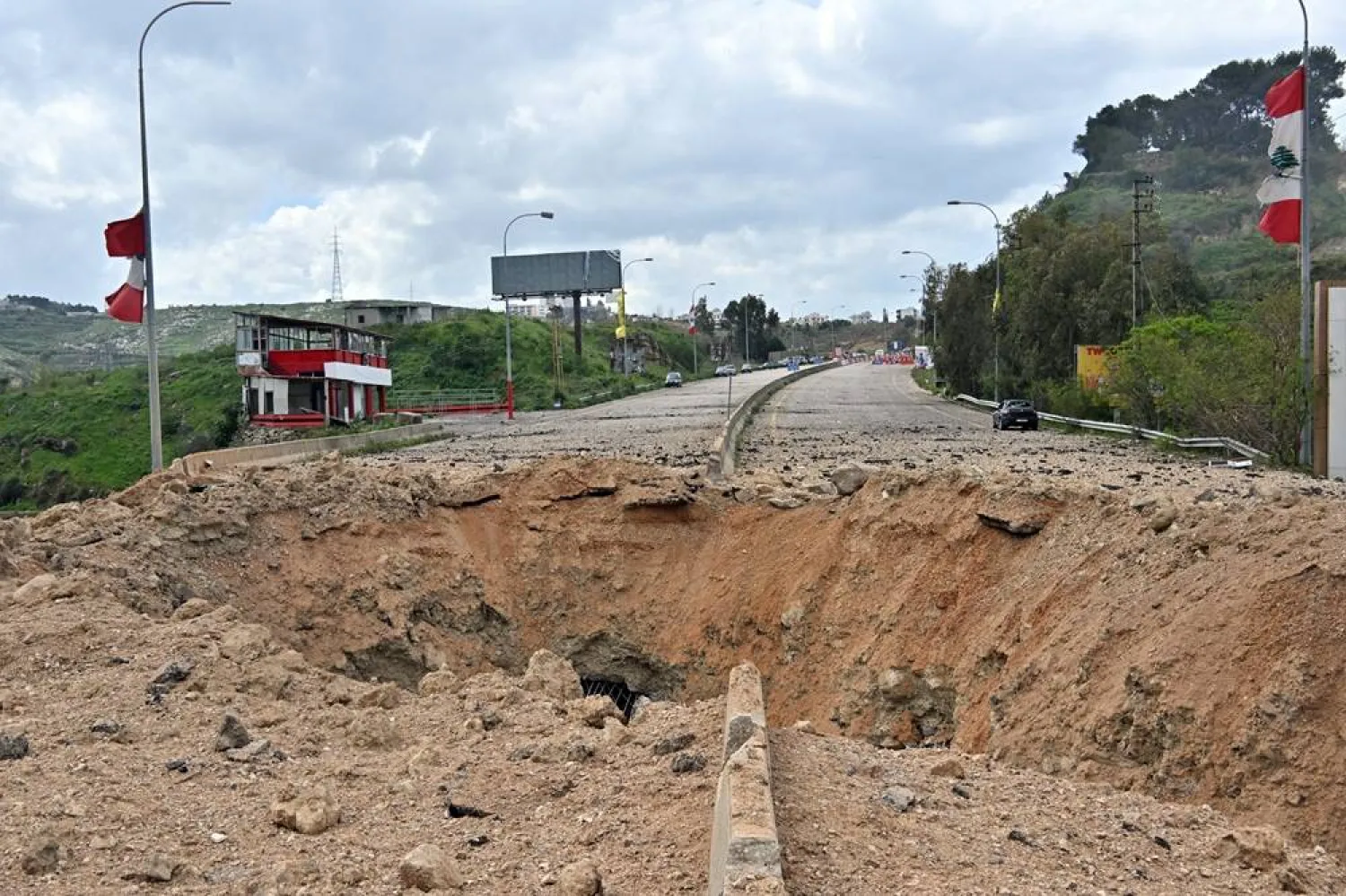
As hostilities between the IDF and Hezbollah militia pervade from the towns of Sharhbriha to Shaba, characterized by exceeding brutality in exchanged drone and missile strikes across Lebanese villages and urban centers, Katz maintained the necessity of seemingly altering Israel’s ongoing military operations. Katz said Israeli soldiers were now maneuvering in Lebanon to establish a “forward defensive line”, fighting Hezbollah and destroying infrastructure used by the group, including homes that he said function as “terrorist outposts”.
The seemingly altered trajectory of the administration’s ambitions, Katz said, would function similarly to the IDF’s campaign within the now decrepit Gaza enclave, where Katz mentioned that the IDF in Gaza has taken steps towards clearing and demolishing buildings near the border “to create a defensive buffer and push the threat away from communities”.
The contentious, visceral sentiment was echoed by Israel’s Finance Minister, Bezalal Smotrich. On Monday, Smotrich told an Israeli radio show that the bombardment of Lebanon “needs to end with a different reality entirely”, which includes a “change of Israel’s borders”. He continued, intense in his rhetoric and non-hesitant in his appeals, “I say here definitively … in every room and in every discussion, too: The new Israeli border must be the Litani,” referring, of course, to the Litani River, a critical waterway that cuts through southern Lebanon, about 30km (19 miles) from the border with Israel.
As the statements delivered by both Smotrich and Katz ring of de facto annexation, the United Nations has already been polemical in its appeals against the Israeli administration’s ongoing endeavors within Lebanon, where on Tuesday, March 17th, a spokesperson for UN High Commissioner for Human Rights Volker Turk alluded to the fact that Israeli engagements may constitute war crimes.
Expressed in a news briefing in Geneva, Switzerland, Spokesperson Thameen al-Kheetan told media outlets that hundreds of homes and other buildings, including healthcare facilities, have been destroyed in intensified Israeli strikes on the capital, Beirut, and other parts of the country. Within the same vein, he added, “International humanitarian law demands distinction between military targets and civilians and civilian objects and insists on feasible precautions being taken to protect civilians. Deliberately attacking civilians or civilian objects amounts to a war crime.”
Commenting on the looming possibility, Dujarric, in a new briefing today, conveyed the Secretary-General’s rejection of such vehement rhetoric, warning that such developments would further exacerbate the displacement and humanitarian crisis on the ground. Dujarric added, “This is the last thing the Lebanese people in the South would wanna see. What we want to see on the ground is both Israel and Hezbollah to implement Security Council Resolution 1701”, a resolution demanding (amongst other things): the disarmament of Hezbollah and other armed Lebanese groups which may be hindering the authority of the recognized Lebanese Government, as well “full respect by both parties for the Blue Line and security arrangements to prevent the resumption of hostilities, including an area free of any armed personnel, assets and weapons other than those of the Lebanese authorities and UNIFIL between the Blue Line and the Litani River.”
Nonetheless, the situation on the ground continues to deteriorate, volatile in both its savagery and humanitarian concessions. As reported today by the Lebanese Health Ministry, at least 1,072 people have been killed, 2,966 have been wounded, and more than 750,000 have been displaced since the start of Israel’s expanded offensive on March 2nd.