Sudan’s Women and Girls Face “Constant Danger” Amid War, UNFPA Warns
UN calls for urgent funding and protection measures as widespread gender-based violence and displacement deepen humanitarian crisis

United Nations, New York
Sphinx News: Ahmed Ali
Women and girls across Sudan are facing a “continuous experience of danger,” with gender-based violence embedded in nearly every stage of their daily lives, from active conflict zones to displacement sites, a senior United Nations official warned on Friday.
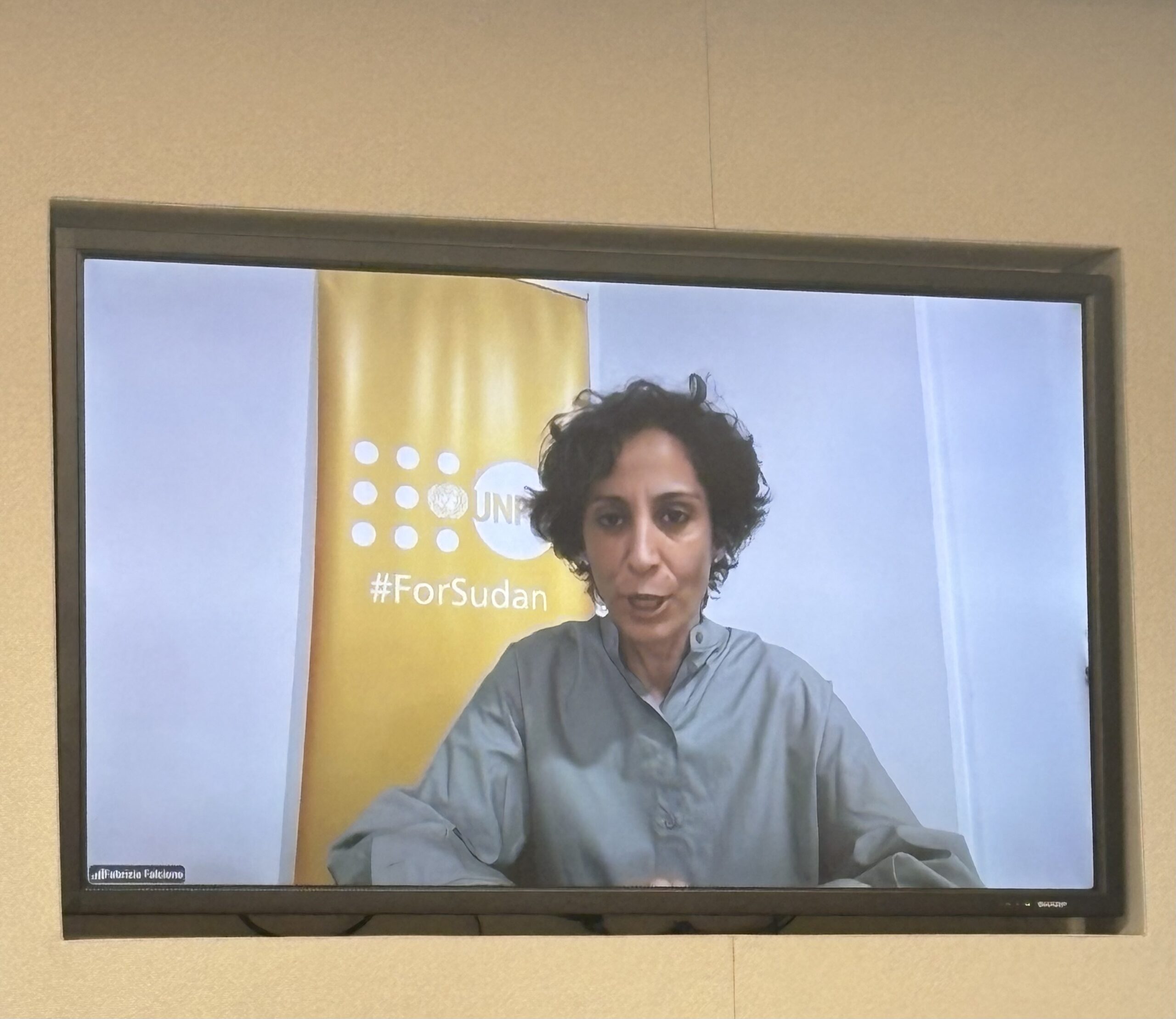
Briefing journalists, Fabrizia Falcione, the Sudan Representative for the United Nations Population Fund, described a protection crisis of alarming scale, underscoring that insecurity for women and girls is not limited to isolated incidents but is widespread and systemic.
“Women and girls across Sudan are telling a consistent story,” she said, emphasizing that “no matter where, they feel unsafe.”
Her remarks were backed by a recent UNFPA assessment on protection from gender-based violence, based on 95 focus group discussions involving approximately 1,000 women and girls across 16 of Sudan’s 18 states. The findings reveal a pervasive and persistent sense of insecurity, with 76 percent of women aged 25 to 49 reporting that they feel unsafe both inside displacement camps and in surrounding areas such as markets, roads, water points, and even basic sanitation facilities—particularly at night.
The assessment highlights that the risks are not confined to conflict zones alone. For many, the journey to safety is itself fraught with danger.
“The road to safety is not safe at all,” Falcione said, recounting testimonies of women who described facing harassment, sexual violence, looting, and physical attacks while fleeing active fighting. Severe shortages of food and water further compound their vulnerability.
Many of the displaced have endured repeated upheaval. According to Falcione, women she met in Northern State, White Nile, Blue Nile, and Khartoum have often lived under shelling for months, with some forced to flee multiple times. “I met women who have been displaced four times in three years of war,” she noted.
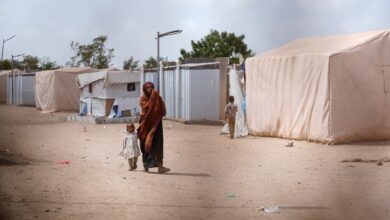
In displacement sites, conditions remain dire. Women and children make up the majority of those displaced, often living in overcrowded or makeshift conditions. In some camps, families wait in the open for shelter, while access to basic services remains limited and unsafe.
Falcione described visiting camps where women—including those who are pregnant—must walk up to 15 minutes in complete darkness to reach latrines at night, with no lighting or security. Even in urban centers, insecurity persists.
“I am currently in the city centre of Khartoum,” she said. “At night the city is completely dark. If I had to go out walking at night, I would definitely not feel safe.”
Despite the scale of the crisis, reporting gender-based violence remains extremely difficult. Survivors often face stigma from their communities, fear retaliation, or lack the financial means to access support services. Distance to service points further limits reporting and assistance.
Yet, amid these challenges, women and girls have been clear about their priorities.
“When we asked women and girls what they want the most, three quarters of them said economic empowerment is their priority,” Falcione said. This includes access to livelihood opportunities, skills training, and the ability to generate income.
Many displaced women, she added, are the sole providers for their families but lack any means of earning a living. While humanitarian aid remains essential, their aspirations go beyond immediate relief.
“They don’t want to be fed,” she said. “They want to be able to feed themselves and their families.”
Women also expressed a desire to return to their communities, but only if basic conditions are met, including access to healthcare, education for their children, and economic opportunities.
The crisis in Sudan has repeatedly been described by the United Nations as both a protection and a health emergency. However, funding levels fall far short of what is required to meet these needs.
According to UN data cited in the briefing, the protection sector is currently funded at just 14 percent of the humanitarian appeal, while the health sector stands at only 11 percent. These shortfalls severely constrain the ability of humanitarian agencies to respond effectively.
For the United Nations Population Fund, whose mandate includes protection and healthcare services, the funding gap poses a critical challenge.
Despite these limitations, UNFPA continues to operate on the ground, running 88 Women and Girls Safe Spaces across Sudan. These centers provide a rare environment where women and girls can access support, speak openly about their experiences, and begin to recover.
“These are called Women and Girls Safe Spaces for a very good reason,” Falcione said. “This is where women and girls feel safe to speak about the violence they have suffered, where they can ask for help and where they will receive it.”
She shared the words of one young girl who described the impact of these spaces: “Here, I feel safe. I’m spending time with my friends again, just like before the war.”
Still, the scale of the crisis far exceeds current capacity. Falcione stressed that without increased international support, efforts to sustain and expand these services will remain limited.
“The voices of women and girls are clear,” she said. “The question is whether the response matches the scale and urgency of what is needed.”
As conflict continues to drive displacement and deepen humanitarian needs across Sudan, the United Nations is calling for urgent action—not only to address immediate protection risks but to invest in long-term solutions that restore safety, dignity, and opportunity for millions of women and girls.