UN Security Council presses issue of resource exploitation in Sudan and DRC
The United Nations Security Council convened to examine natural resource governance, an issue of growing significance in both the Democratic Republic of the Congo and Sudan.

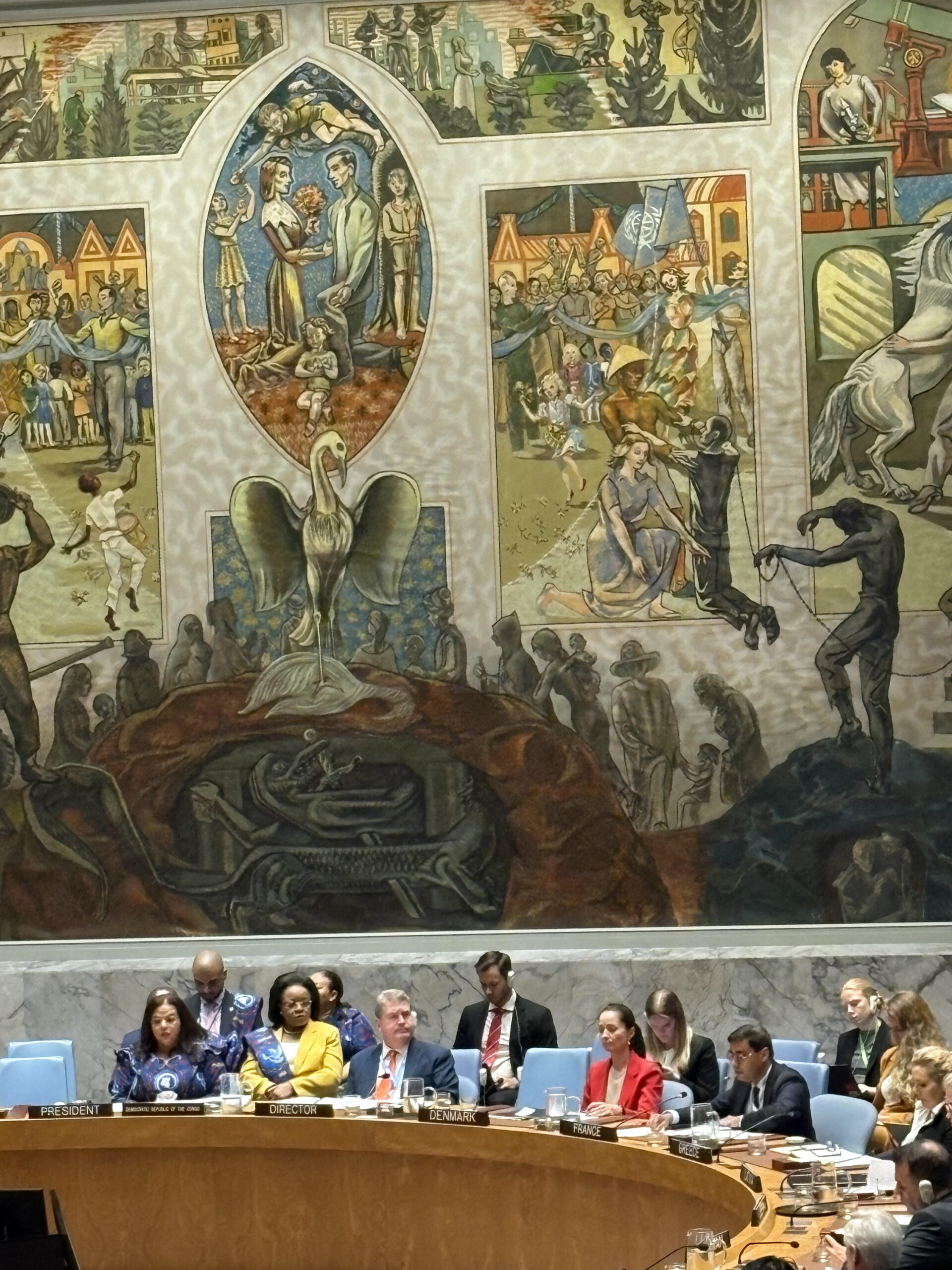
United Nations, New York City
Sphinx News: Ahmed Ali
Today, the United Nations Security Council met on natural resource governance, the allocation, appropriation, and mismanagement of Earth’s most valuable mineral deposits. Convened under the auspices of the Democratic Republic of the Congo, presided over by the DRC’s incumbent head of state, President Félix Tshisekedi, the Council session comes at a particularly pressing time, specifically within the internal political context of two of Africa’s most unstable countries: the Democratic Republic of the Congo and Sudan.
Discussed amongst the Council’s high-level delegations, both states have been victims of the manipulation of valuable resources, exploited by security forces, regional proxy groups, and government officials for material gain, entirely at the expense of civilian groups.
The Democratic Republic of the Congo continues to be entrenched in internal conflict in its eastern provinces, specifically by armed groups like M23. Abundantly rich in untapped mineral resources, M23 incursions have, since the group’s resurgence in 2021, killed more than 7,000 people and displaced more than 1.2 million. The group, sponsored by the government of Kigali, has made rapid and systematic efforts to debilitate the DRC’s large mineral reserves, extracting cobalt, coltan, lithium, tin, and gold—all critical to global supply chains and the production of smartphones.
In Sudan, the civil war between the RSF and the SAF has seen the manipulation of the state’s political fragmentation by both outside networks and state governments, fueling the conflict and providing weapons in exchange for gold, artisanal mining, and gum arabic. Not only has such development aggravated political and social antagonisms, but it has fueled the state’s secessionist geopolitical landscape. The RSF, in particular, has entrenched its military apparatus to control nearly all of western Sudan, ingratiating itself through its services to both local and international actors.
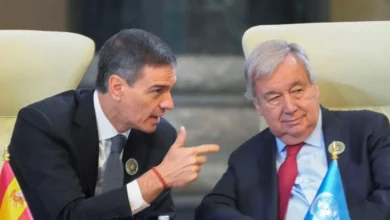
In his address to the Council, the Secretary-General of the United Nations, Antonio Guterres, remained apprehensive about the prolonged perversion and abuse of critical mineral supplies in the eastern region of the DRC, telling delegates, “Critical minerals, such as lithium, cobalt, nickel, and rare metals, including rare earth elements, are becoming increasingly strategic,” but “it also intensifies geopolitical rivalries, places immense pressure on highly concentrated supply chains, and fuels conflicts, with devastating humanitarian consequences.”
“They strengthen armed groups and criminal networks. They connect local violence to regional and international networks. And they undermine the prospects for political compromise,” he said, adding that the problem has been exacerbated in the “eastern Democratic Republic of the Congo, where armed groups profit from illegal mining and the smuggling of minerals, while civilians continue to bear the cost of the conflict, as documented in successive reports by the Group of Experts mandated by this Council.”
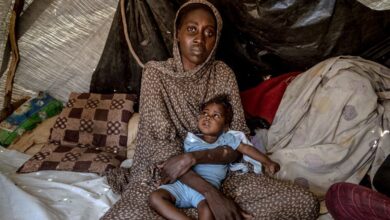
Guterres also noted the illicit transport and application of “gold and gum arabic” in Sudan, “leading to atrocities and the displacement of millions of people,” where the heaviest burden falls on the most vulnerable—women and children, as well as communities driven from lands rich in natural resources.
Concerted efforts, Guterres explains, have been carried out to circumscribe such misconduct, particularly with the deployment of the Council’s provisional fact-finding mechanisms, documenting “violations, tracing supply chains, and identifying the commercial and financial networks that armed actors use to generate revenue.”
Armed groups who have been allowed to propagate, pillage, smuggle, and sell natural resources have dealt tremendous “sociopolitical damage,” says Guterres, irreversible actions that have made the daily lives of civilians arduous, displaced them from their homes, and stripped them of their “human rights standards.”
The Secretary-General highlights justice as an important mechanism in tackling natural resource governance, explaining that only when a state has the institutional, political, and social capacity to control and harness its natural resources can it be allowed to invest in its “sovereign rights.”
“That is why the United Nations is supporting national authorities to strengthen governance and institutions, improve regulatory frameworks, and ensure minerals contribute to development and peacebuilding. We are supporting efforts to strengthen national capacity to negotiate equitable mining agreements, expand domestic processing and refining, manage public revenues, and mitigate adverse social and environmental impacts,” Guterres told the Council.
Guterres also called for elevated prevention mechanisms, specifically, a joint effort by the international community to isolate illegal supply routes. Such a development can restrict the profit, dissemination, and influence of exploitative political groupings, often appealing to impressionable masses through demagogy and financial acumen.
On this note, Guterres welcomed the European Union’s “ban on the purchase, import, and transfer of gold from Sudan, and ban exports to Sudan of mercury and cyanide used in its extraction.”
Ambassador Tammy Bruce, Deputy Representative of the United States to the United Nations, told the Council members of the United States’ purportedly triumphing efforts at restoring peace in the Great Lakes Region (consisting of Rwanda, DRC, Burundi, Ethiopia, Kenya, Malawi, Mozambique, Tanzania, Uganda, and Zambia), where “In December 2025, President Trump took action and brokered the Washington Accords for Peace and Prosperity between the DRC and Rwanda, building on the Washington Peace Agreement signed in June 2025. This landmark achievement represents a historic opportunity to unlock lasting security and prosperity for the people of the Great Lakes region.”
Additionally, Ambassador Bruce poignantly contended that the United States continues to collaborate economically with the DRC, including “U.S. engagement in Congolese export infrastructure and helping build a skilled workforce with quality job opportunities across the country.”
The U.S. representative added that the United States continues to work with the DRC on its Lobito Corridor, “a transformative infrastructure project that will enhance regional connectivity, secure critical mineral supply chains, and drive sustainable economic growth by linking the DRC to the Atlantic Ocean port of Lobito in Angola. The Lobito Corridor will open new avenues for two-way trade between Central Africa and the United States and Europe,” said Ambassador Bruce.
Echoing the sentiments of the Secretary-General, Ambassador Bruce praised the United Kingdom’s efforts to disrupt illegal supply chains from Sudan, where London has “sanctioned individuals suspected of participating in the illicit trade of gold and finance networks sustaining the conflict.”