Hormuz Deal close, but UN still absent
While diplomatic hope between the United States and Iran over the Strait of Hormuz has remained uncertain, a deal appears close—one the United Nations is still not part of.

United Nations, New York City
Sphinx News: Ahmed Ali
As the contentious relations between the United States and Iran over the Strait of Hormuz have led to a series of diplomatic impasses, an imminent Hormuz deal seems likely, one to which the United Nations remains a bystander.
While the United Nations Security Council has remained an epicenter for discussion on the U.S. and Israel’s war on Iran, exemplified by the Security Council’s passing of Resolution 2817 (holding the Islamic Republic of Iran in contempt for its missile and drone strikes against members of the Gulf Cooperation Council), its inability to adopt a resolution aimed at “reopening the Strait”, and its failure to adopt an amended resolution on “the reopening of the Strait”, the organization has ultimately remained absent from important meetings, reliant on tentative deals occurring outside its purview.
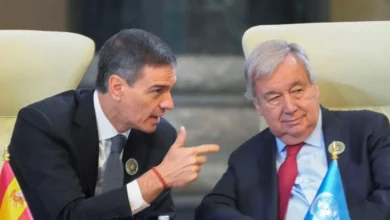
While the United Nations has remained optimistic about previous diplomatic triumphs between both warring parties, encouraged by the recent Memorandum of Understanding, sustainable peace has been fraught with brazen violations and mistrust. The Secretary-General of the United Nations, Antonio Guterres, has remained adamant that any perennial conflict in the Middle East risks further destabilization in the region, aftershocks of economic deterioration, forced migration, and political turmoil.
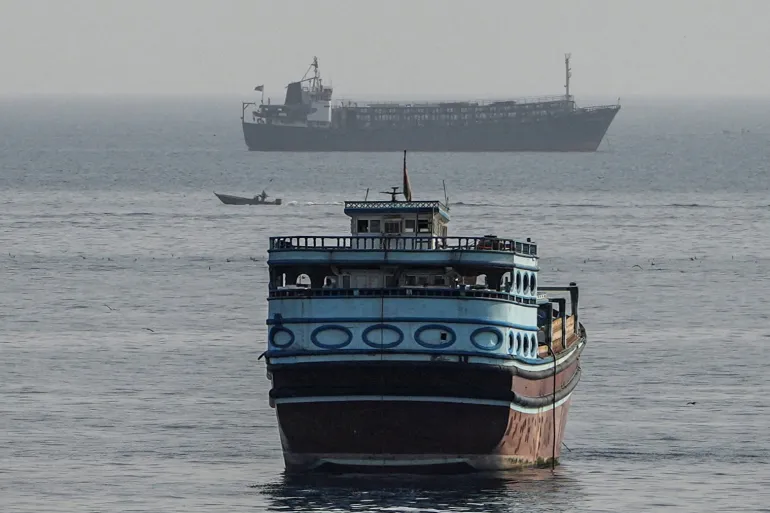
Nonetheless, reports indicate that Iran, Oman, and the United States are close to reaching a Hormuz deal, one which could restore the full and unequivocal use of the crucial waterway.
The deal, according to U.S. President Donald Trump, is “moving along very nicely.” Despite contending that the United States is still conducting strikes against Iranian vessels in the Strait, which Rubio had justified on account of Iran’s attack on U.S. “assets,” he told members of the press today, “There’s oil moving right now through the straits, so the straits are open. Nonetheless, I think that there is a conversation and a negotiation that we are involved in between Oman and Iran on how more ships can be able to go through there safely in the short term, as we move towards these longer-term talks about denuclearisation.”
While the United States’ assertions remain both tenuous and ambiguous, Iran has denied any direct talks with Washington. Iranian Ministry of Foreign Affairs spokesman Esmaeil Baghaei has insisted that conversations have been primarily with Oman, working with the Sultanate to negotiate a power-sharing agreement governing movement through the Strait.
The Iranian Foreign Ministry spokesman has said the talks with Oman are focused on “establishing safe inbound and outbound shipping lanes” that “uphold sovereign rights while also addressing the national security considerations of both Iran and Oman.”
According to Iran’s Sepah News Agency, spokesman Esmaeil Baghaei remarked that the latest conversations with Oman have been “positive,” nearly “finalized.” Quoted by Iran’s state broadcaster IRIB, Tehran anticipates that any negotiated settlement will be “threatened” by the United States and Israel, a development which will pose great peril to any diplomatic triumph made with Muscat.
Reacting to alleged reports indicating that the Strait’s reopening is imminent, Deputy Spokesperson for the Secretary-General, Farhan Haq, told reporters, “We have no firsthand information at this stage about that. We’re aware of the same reports that you are, and we certainly encourage the parties to move forward with any effort to have a negotiated solution to this issue.”